Industrial Touch Displays for Panel Integration in OEM Equipment
Panel mount touch monitors designed to integrate into machine control panels, operator interfaces, and industrial equipment systems.
What Is a Panel Mount Touch Monitor?
A panel mount touch monitor is a touch-enabled display designed to be installed into the front panel of industrial equipment, control cabinets, or operator stations.
In OEM machines, the display becomes part of the equipment interface for running HMI software, viewing process status, and entering operator commands — rather than being used as a standalone desktop monitor.
- Operator interaction with HMI and control systems
- Status display for process and alarms
- Touch input for navigation and commands
- Integration into equipment control panels and enclosures
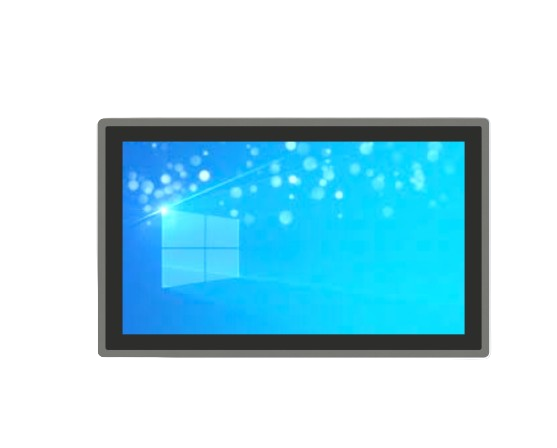
Designed for equipment panels and operator interfaces — as part of the machine, not an external accessory.
Who Typically Selects a Panel Mount Touch Monitor
This category is commonly evaluated by OEM engineering teams when the display must install into the machine panel, match a defined control architecture, and remain stable across a production program.
Machine builders integrating an HMI
When the monitor becomes part of the equipment interface and must align to panel drawings and enclosure constraints.
External IPC / controller systems
When display + touch connect to an existing industrial PC, PLC gateway, or embedded controller in the cabinet.
Production programs with continuity
When a defined configuration must be repeatable and manageable through controlled change notification.
Designed for Equipment Panel Integration
Panel mount touch monitors are developed to integrate directly into machine control panels and operator interfaces, supporting stable installation and clean front-panel layouts.
Front or rear panel installation
Mechanical structure supports secure installation into equipment panels or enclosures.
Defined panel cutout support
Compatible with typical panel cutout layouts to simplify mechanical integration.
Flush-front installation options
Optional sealed front structures support environments where cleaning or splash protection is required.
If you already have a panel drawing or cutout size, we can review the mounting approach and confirm a suitable display configuration.
Minimum to start: panel cutout (or drawing), mounting preference, required interfaces, and a brief environment note (temperature / vibration / cleaning exposure).
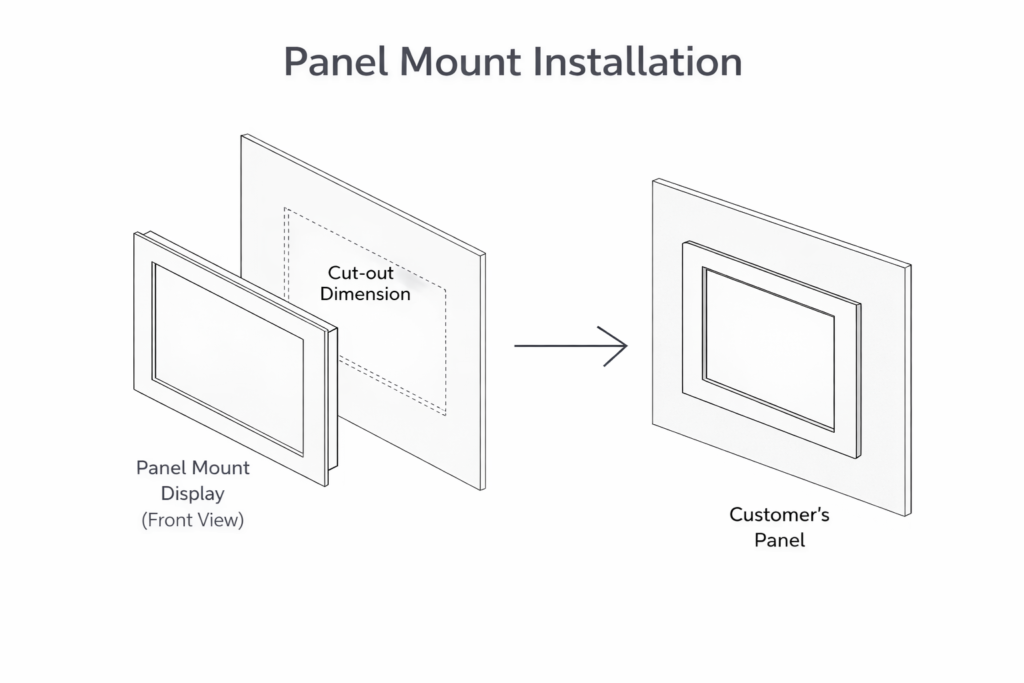
Panel integration allows the display to function as part of the machine interface.
Choosing the Right Touch Technology
The appropriate touch technology depends on how operators interact with the machine and the environment in which the equipment operates.
Projected Capacitive Touch
Often selected for modern HMI interfaces where operators interact with graphical screens and gesture-based controls.
- Multi-touch gesture support
- High optical clarity
- Suitable for modern HMI software interfaces
- Glove or moisture tuning depending on environment
Resistive Touch
Commonly used in applications where simple interaction or compatibility with existing control systems is required.
- Operates with gloves or stylus
- Single-touch input for defined control workflows
- Compatible with many legacy systems
- Stable interaction for simple operator interfaces
Interface Options for Common Control Systems
In most OEM machines, the display connects to an industrial PC or embedded controller. Interface options are selected based on your existing I/O, cable routing, and control architecture.
Display Interfaces
- HDMI
- VGA
- DisplayPort (optional)
Touch Interfaces
- USB
- RS232
Operating System
- Windows
- Linux
- Android (project-dependent)
Specification Snapshot
A quick reference for early feasibility checks and internal planning. Final values are confirmed after size, panel drawing, interfaces, and operating conditions are aligned.
- Early mechanical and interface review
- Shortlisting target size and integration direction
- Internal enclosure and I/O planning (pre-RFQ)
If you already have a cutout drawing or enclosure reference, sharing it typically speeds alignment checks.
| Item | Typical Range / Options |
|---|---|
| Screen size | Multiple industrial sizes available (project-dependent) |
| Resolution | Industrial standard by selected size |
| Brightness | Standard / high-brightness tiers (application-dependent) |
| Touch | PCAP / Resistive / No-touch (by workflow and environment) |
| Mounting | Front-mount / Rear-mount (panel/enclosure-defined) |
| Front structure | Flush-front / sealed bezel options (project-dependent) |
| Video input | HDMI / VGA / DisplayPort (optional) / other interfaces project-dependent |
| Touch interface | USB / RS232 |
| Power | Defined by system availability and integration (project-dependent) |
This snapshot supports early evaluation. A project-specific specification is confirmed during configuration review.
Configured for Continuous Industrial Operation
In OEM equipment, the display is part of the operator interface and is expected to run consistently over long duty cycles. Reliability is treated as an integration requirement — defined through configuration choices and validation planning against the intended operating conditions.
- Thermal design and component selection aligned to duty cycle
- Mechanical structure selected for vibration and shock exposure typical in equipment
- Operating temperature range confirmed by configuration and project targets
- Industrial power design aligned to electrical stability and system grounding
- Environmental exposure (moisture / cleaning) reviewed at the front interface
For projects with defined targets (temperature, vibration, moisture/cleaning), the configuration is selected and reviewed against your installation and operating profile.
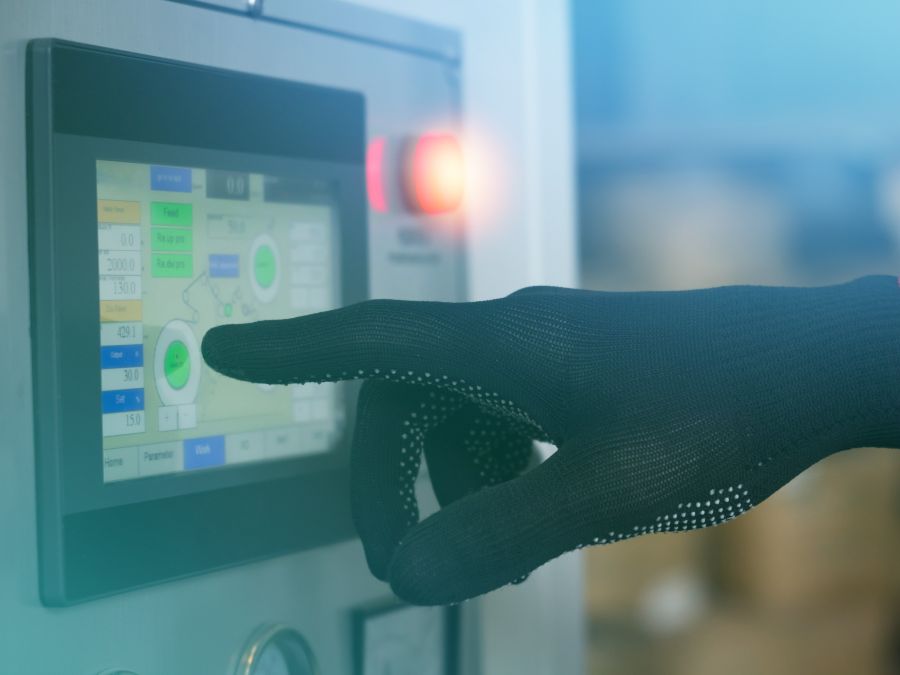
Designed for stable operation as part of an equipment control system.
OEM Configuration and Mechanical Adaptation
OEM projects typically require alignment with equipment drawings, interface standards, and operator workflows. Configuration is selected to match the intended installation and operating environment.
- Display size and resolution selection
- Touch selection (PCAP or resistive)
- Brightness options (application-dependent)
- Cover glass and optical treatments (project-dependent)
- Interface combinations for video and touch
- Mounting method alignment (front or rear installation)
- Panel cutout and bezel alignment to equipment drawings
- Front structure options for cleaning or splash exposure scenarios
- Cable routing and connector orientation alignment
- Labeling, logo, and I/O marking (project-dependent)
If available, share your enclosure reference, preferred connector orientation, cable exit direction, label/marking requirements, and any cleaning or chemical exposure notes. These details typically reduce rework in mechanical and harness alignment.
Revision Control and Change Notification for OEM Programs
OEM equipment programs typically require stable configurations over time. For production projects, changes are managed through documented revision control and PCN processes.
Production configurations are defined with a controlled baseline (mechanical, electrical, and interface details) to support consistent builds.
When changes are required, PCN (Product Change Notification) is used to communicate impact, effective timing, and actions needed for your equipment program.
For long-life equipment, component lifecycle considerations are reviewed early, and continuity planning is aligned to the intended production and service horizon.
- Clear configuration definition for quoting and production alignment
- Controlled changes through documented revision control
- PCN used to manage change timing and impact to your equipment
- Continuity planning aligned to your program lifecycle (project-dependent)
Where Panel Mount Touch Monitors Are Commonly Used
Panel-mounted displays are selected when the interface needs to be integrated into the machine structure and used reliably in day-to-day operation.
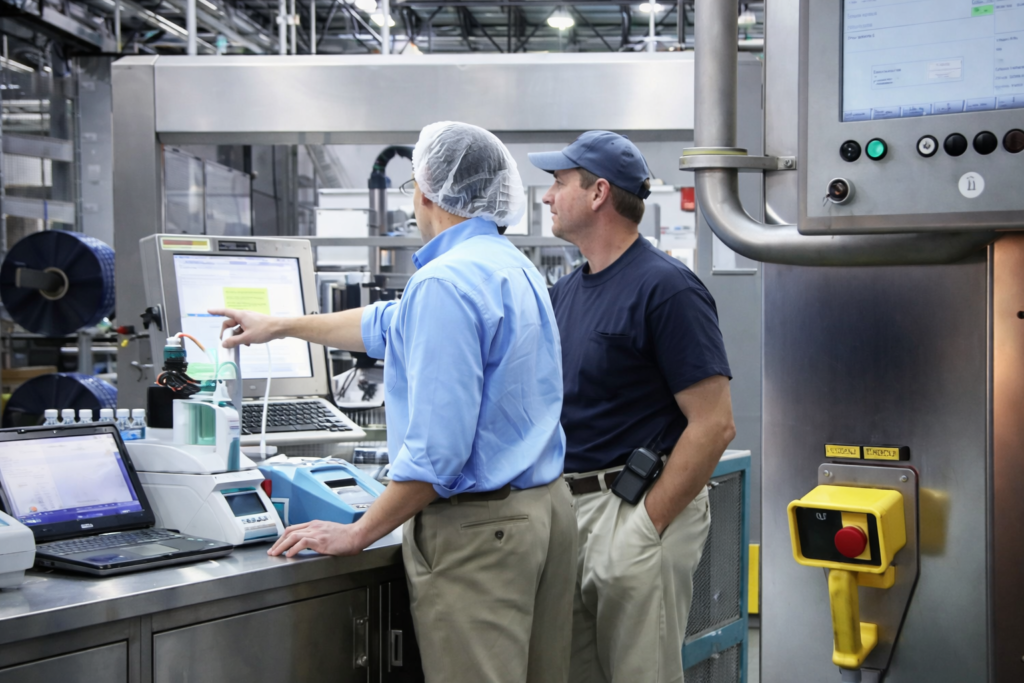
CNC & Automation HMIs
Operator stations and control cabinets where the display is part of the equipment interface.
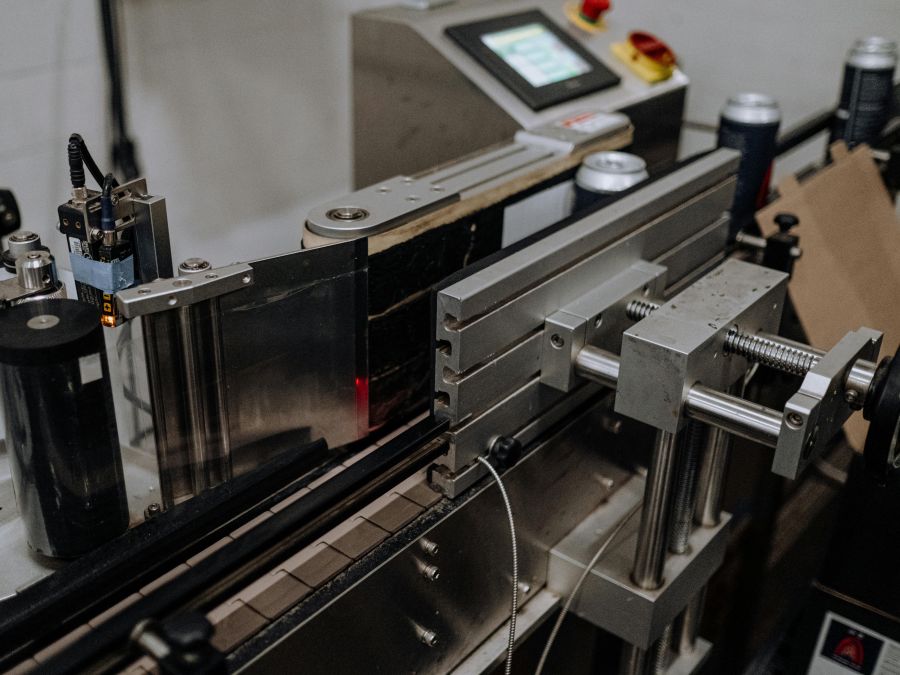
Packaging & Process Equipment
Integrated front-panel displays used for status, alarms, recipes, and line control.
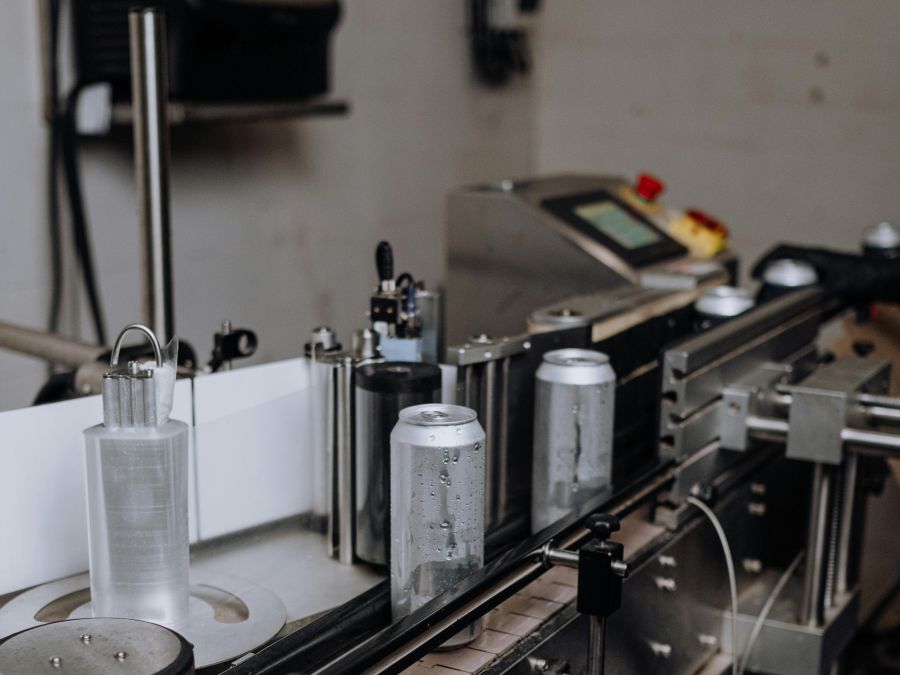
Food & Production Areas
Equipment interfaces where cleaning exposure is a key integration consideration.

Kiosks & Service Stations
Integrated touch interfaces used for guided workflows, access control, or service operation.
Frequently Asked Questions
Typical questions from engineers and OEM teams when evaluating panel integration, touch selection, and system compatibility.
Engineering Review
Send your application details. We respond with configuration direction and next steps.