Industrial Display Brightness (Nits) Guide for HMIs and Outdoor Equipment
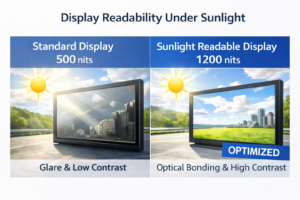
Introduction Display visibility is a critical design parameter in industrial equipment. Operators rely on graphical interfaces …
Touchscreen technology has become an essential interface in modern healthcare environments.
From hospitals and clinics to laboratories and mobile medical equipment, medical-grade touch displays improve workflow efficiency, reduce physical contact, and enhance patient care.
This article explores how touchscreen technology is used in healthcare, the key benefits it delivers, and what to consider when selecting a reliable medical touchscreen solution.
Healthcare environments demand accuracy, reliability, hygiene, and ease of use.
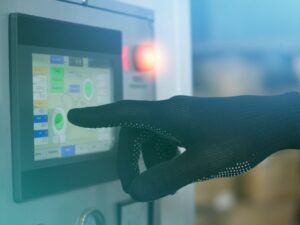
Touchscreen interfaces enable medical professionals to interact with systems quickly and intuitively—often while wearing gloves or working under time pressure.
Typical medical applications include:
Touchscreens simplify system interaction, allowing healthcare staff to access data, adjust settings, and respond to alerts faster than traditional input devices.
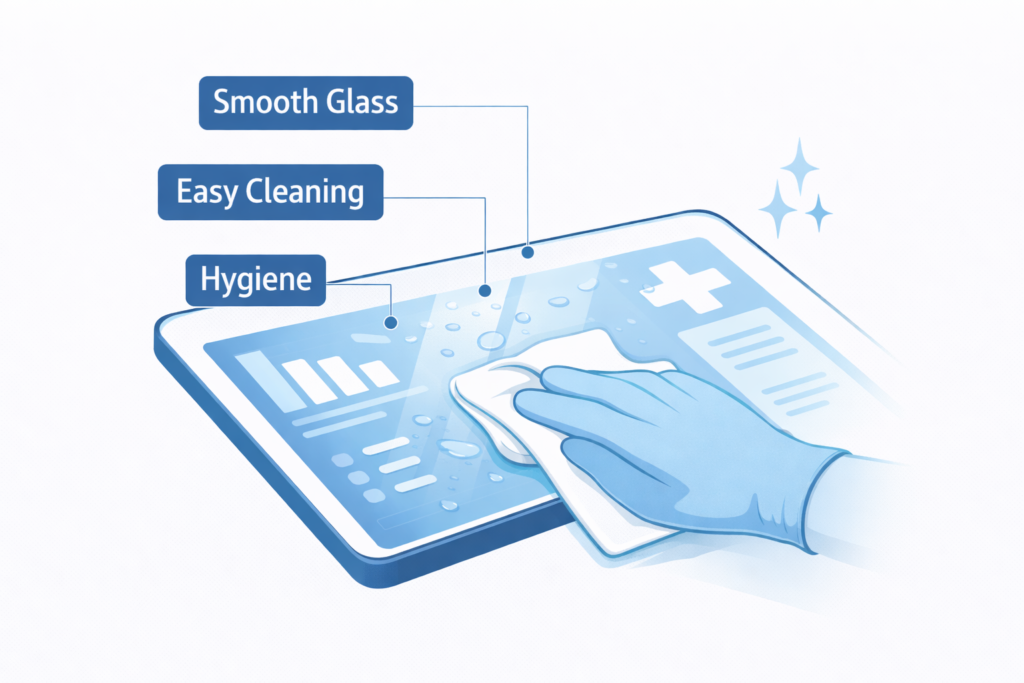
Modern medical touchscreens support:
These features help reduce contamination risks in critical environments.
Clear visual interfaces and direct touch interaction reduce training time and minimize operational errors.
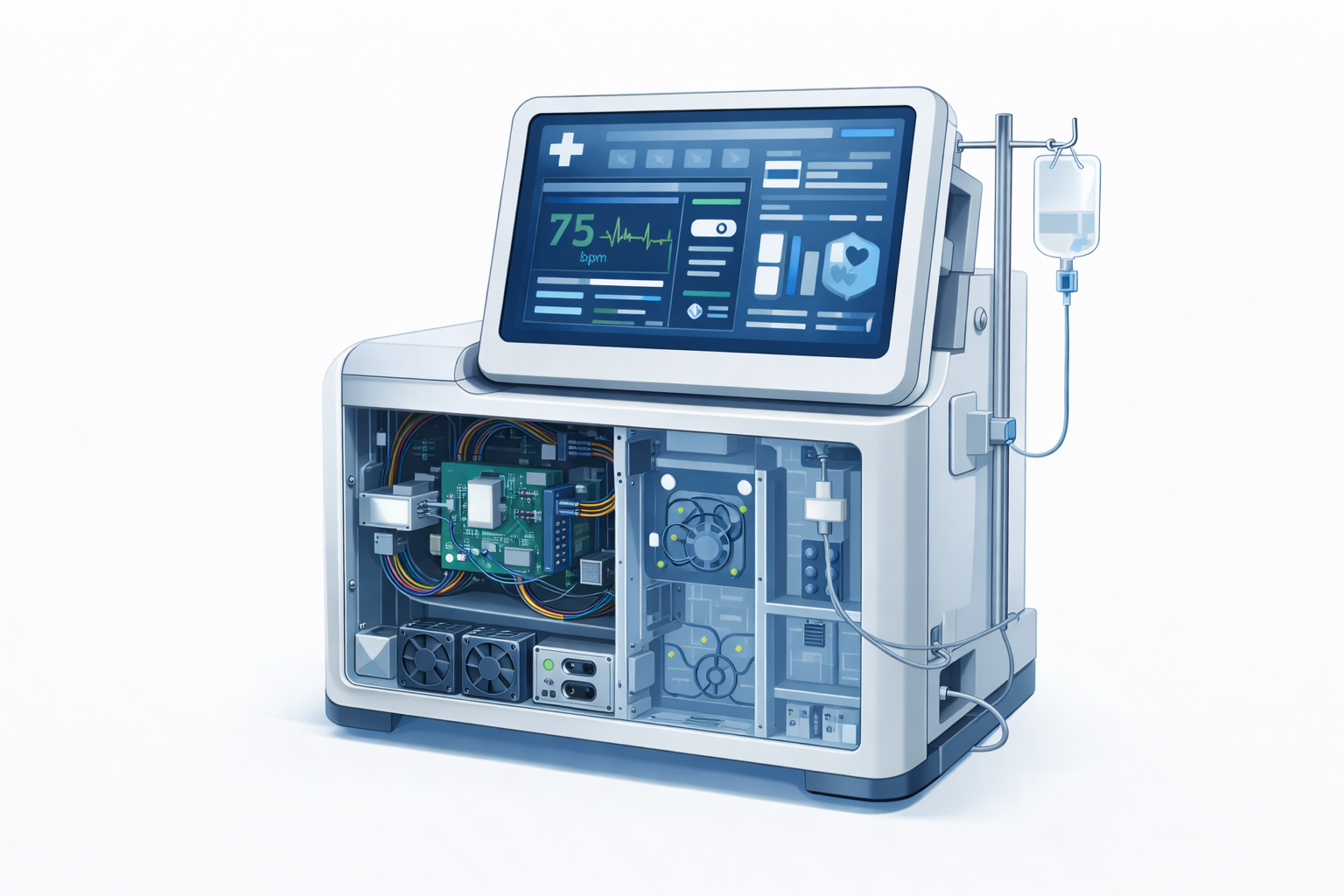
Touchscreen displays are widely integrated into medical devices such as:
For these applications, displays must operate reliably under continuous use, varying temperatures, and frequent cleaning.
When selecting a touchscreen solution for healthcare, several technical factors are critical:
Medical-grade touchscreens must balance performance, safety, and longevity.
As healthcare systems continue to digitize, touchscreen interfaces are no longer optional—they are fundamental tools that support:
Choosing the right touchscreen technology ensures long-term reliability and helps medical professionals focus on what matters most: patient care.
If you are developing or sourcing touchscreen displays for healthcare applications, selecting the right partner and technology is essential.
Introduction Display visibility is a critical design parameter in industrial equipment. Operators rely on graphical interfaces …
Introduction Industrial equipment increasingly relies on graphical interfaces for monitoring, diagnostics, and machine control. Modern automation …
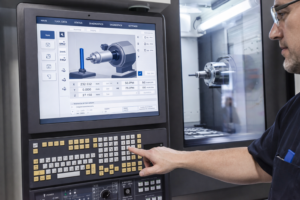
Introduction Modern CNC equipment relies on digital human–machine interfaces (HMI) to support machine operation, diagnostics, and …
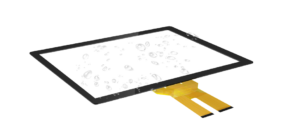
Introduction Industrial equipment increasingly relies on graphical interfaces for machine control, diagnostics, and configuration. As human–machine …
Send your application details. We respond with configuration direction and next steps.